Real workflow first
We look at how work actually moves across people, systems, files, approvals, and follow-ups before recommending a solution.

Messy handoffs become a cleaner operating rhythm.
Every business has opportunities to make its processes, information, and technology work better together.
SAPIENT helps teams improve those everyday workflows —
using practical automation, reporting, data, cloud, and AI solutions that fit around
the tools they already use.
See how our services can help your business:
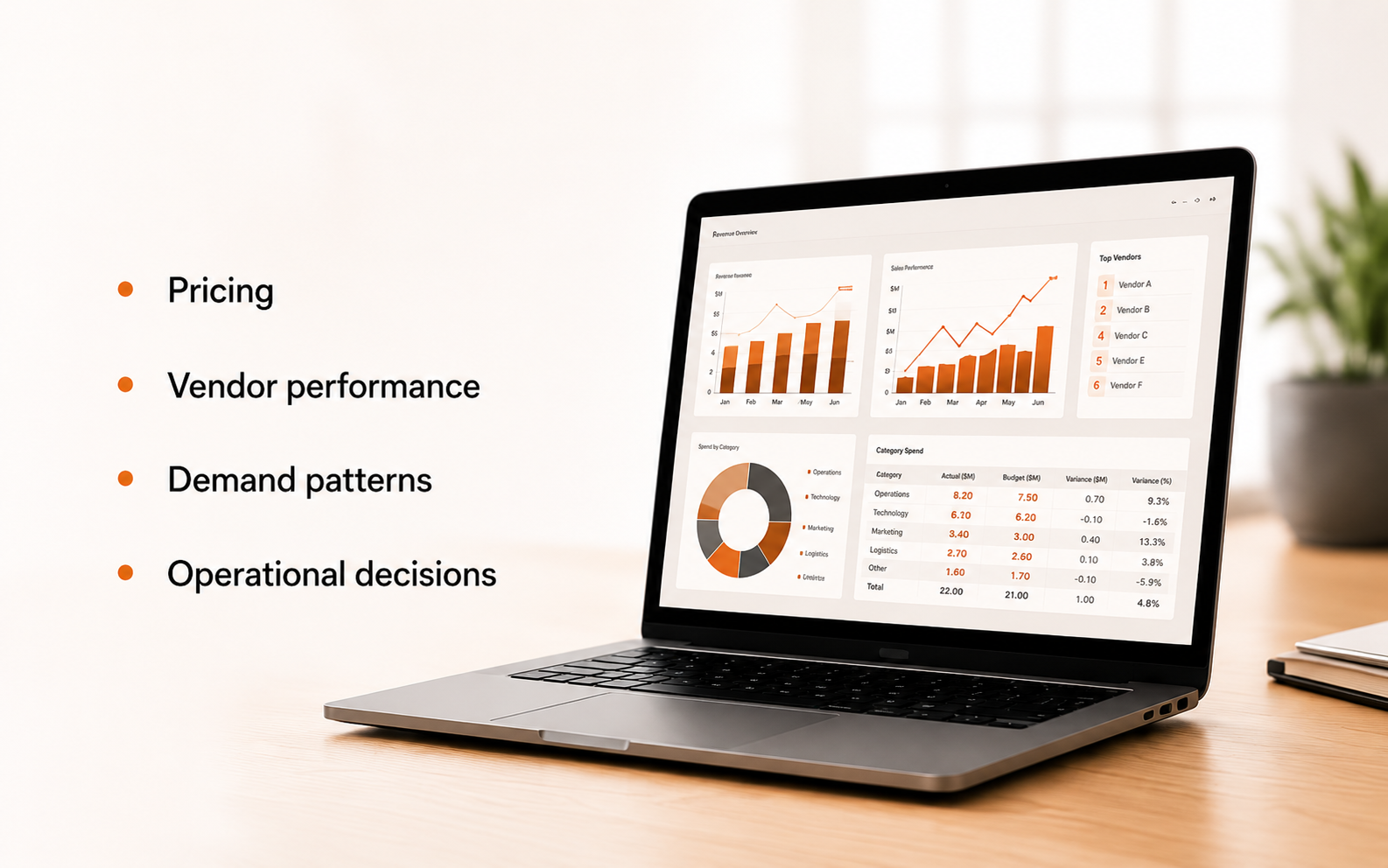 Use pricing, vendor, demand, and operational data to support statistically grounded decisions and recommended actions.
Details and Use Cases
Cloud Migration
Use pricing, vendor, demand, and operational data to support statistically grounded decisions and recommended actions.
Details and Use Cases
Cloud Migration
 Move internal apps, dashboards, scripts, and lightweight data tools into secure, right-sized cloud environments.
Details and Use Cases
AI Team Enablement
Move internal apps, dashboards, scripts, and lightweight data tools into secure, right-sized cloud environments.
Details and Use Cases
AI Team Enablement
 Give teams a practical AI roadmap, clear guardrails, and role-based training so they can use AI safely, confidently, and productively.
Details and Use Cases
Automate Routine Work
Give teams a practical AI roadmap, clear guardrails, and role-based training so they can use AI safely, confidently, and productively.
Details and Use Cases
Automate Routine Work
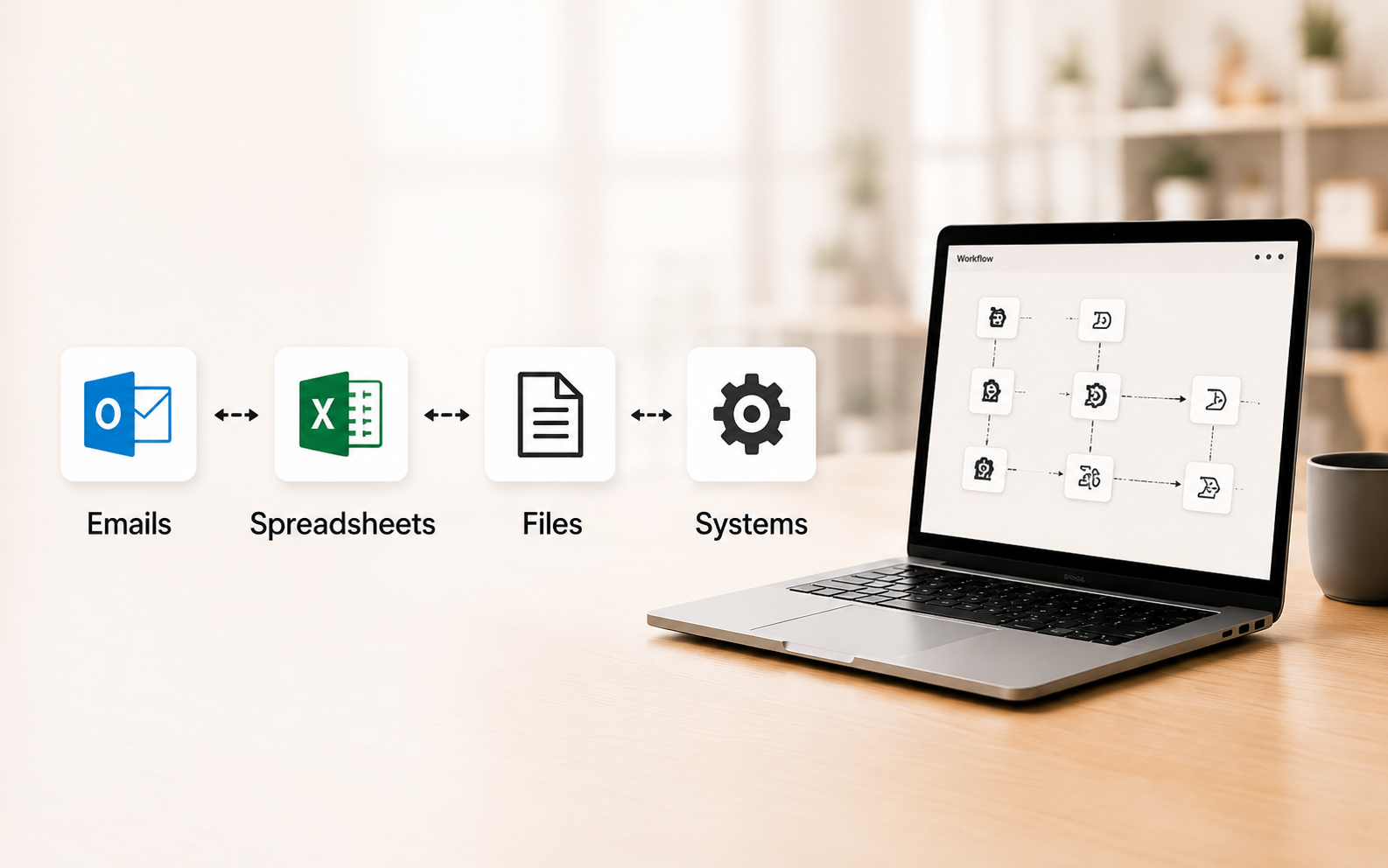 Reduce repetitive handling across files, emails, spreadsheets, forms, and system updates.
Details and Use Cases
Find Exceptions Faster
Reduce repetitive handling across files, emails, spreadsheets, forms, and system updates.
Details and Use Cases
Find Exceptions Faster
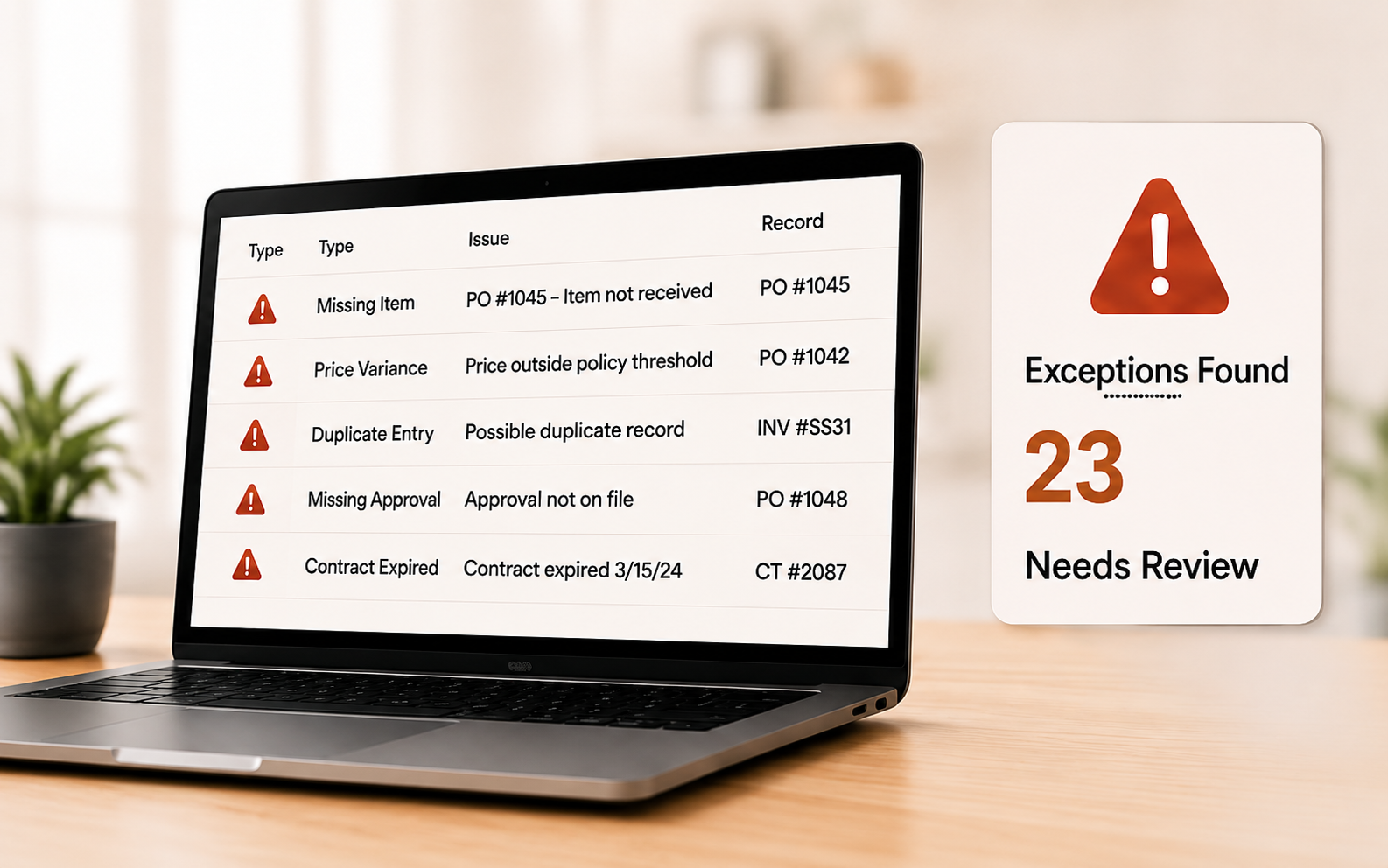 Compare records, documents, and system data automatically so people only review what needs attention.
Details and Use Cases
Data-Driven Course of Action (COA)
Compare records, documents, and system data automatically so people only review what needs attention.
Details and Use Cases
Data-Driven Course of Action (COA)
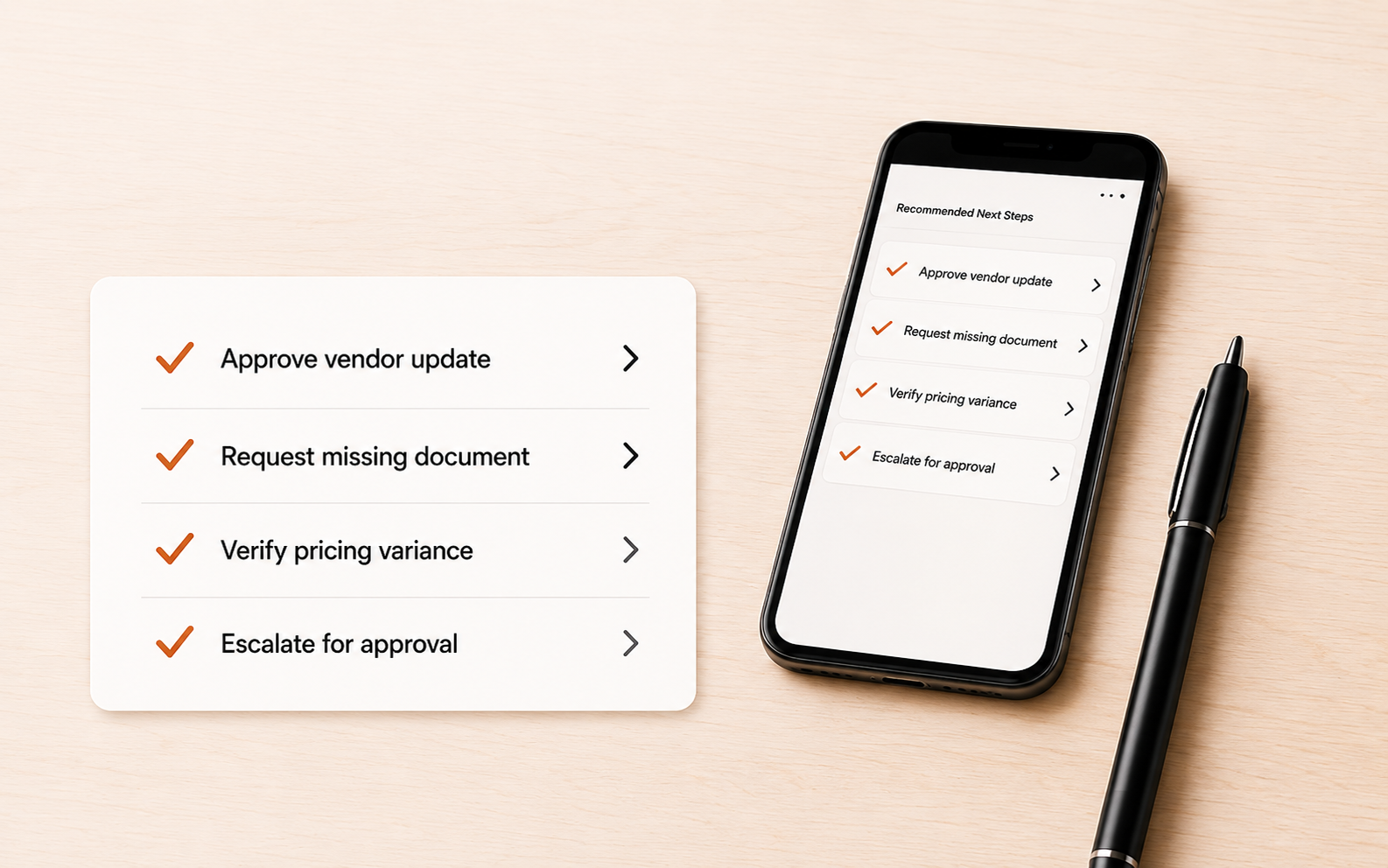 Use prior records, similar cases, business rules, and AI-assisted analysis to surface relevant context, identify risks, and recommend a clear, reviewable course of action.
Details and Use Cases
Capture Team Knowledge
Use prior records, similar cases, business rules, and AI-assisted analysis to surface relevant context, identify risks, and recommend a clear, reviewable course of action.
Details and Use Cases
Capture Team Knowledge
 Turn meetings, SOPs, recurring questions, and team experience into searchable internal resources.
Details and Use Cases
Visualize Workflow & Operations
Turn meetings, SOPs, recurring questions, and team experience into searchable internal resources.
Details and Use Cases
Visualize Workflow & Operations
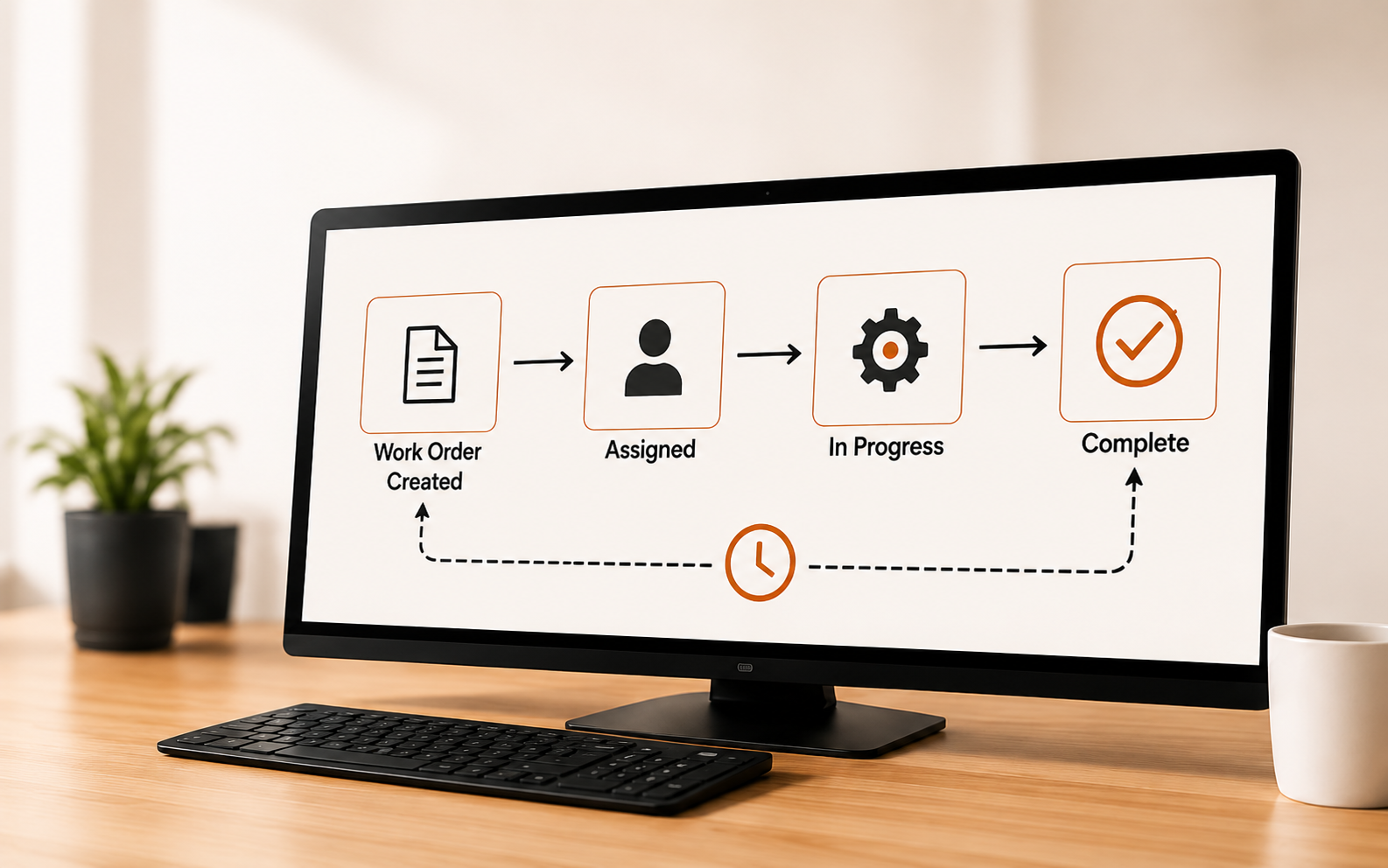 See how work moves, where it slows down, and what needs attention through process views, dashboards, and operational summaries.
Details and Use Cases
Connect Existing Systems
See how work moves, where it slows down, and what needs attention through process views, dashboards, and operational summaries.
Details and Use Cases
Connect Existing Systems
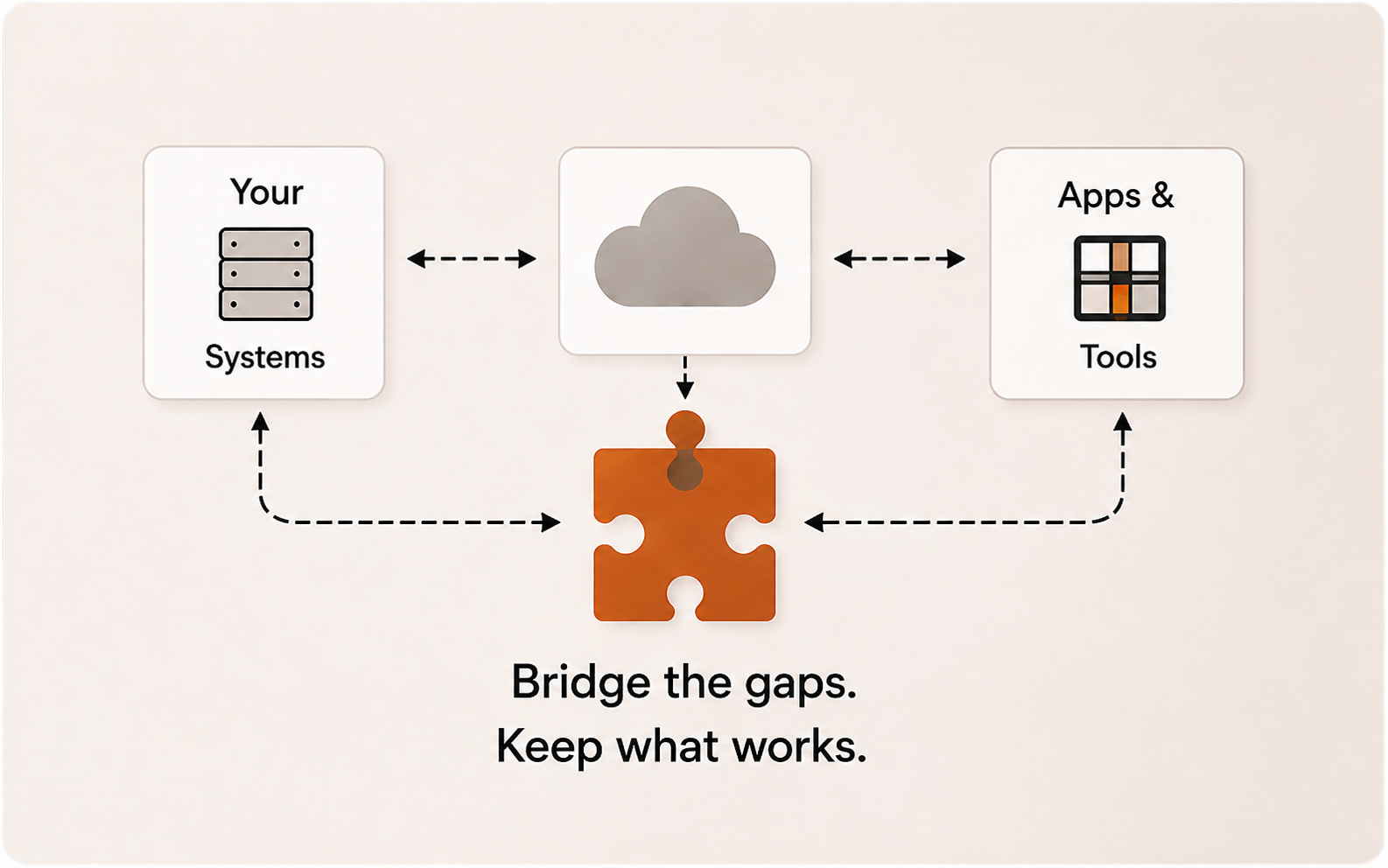 Bridge gaps between ERP, CRM, spreadsheets, email, files, and operational tools without forcing a full replacement.
Details and Use Cases
Bridge gaps between ERP, CRM, spreadsheets, email, files, and operational tools without forcing a full replacement.
Details and Use Cases
Why SAPIENT
SAPIENT helps organizations reduce manual work, surface exceptions, connect existing systems, and make better use of the data they already have. We do not start by assuming you need a new platform. We start by understanding where work slows down, where people repeat the same checks, and where better visibility or automation could create practical value.
More Reasons to Choose SAPIENTWe look at how work actually moves across people, systems, files, approvals, and follow-ups before recommending a solution.
Many teams need a clearer dashboard, better intake process, exception queue, workflow app, or system connection before they need a major transformation project.
SAPIENT helps automate routine work while keeping exceptions, risks, and decisions visible to the people who need to review them.
We help teams get more from the systems, spreadsheets, reports, and data they already use.
You do not need a massive AI overhaul. You need recurring work to move cleaner: invoices, lead intake, scheduling, vendor communication, reporting, claims, approvals, and document review.
The process starts with operational clarity, then introduces automation and AI only where it improves accuracy, visibility, efficiency, or response time. Start with a focused workflow review and practical prototype before committing to larger changes.
Case Studies
These are placeholder studies for the prototype. We can replace them with your real work, anonymized examples, or industry-specific scenarios.
Process
SAPIENT works around your existing tools, documents, and handoffs to reduce repetitive work, surface exceptions, and help your team focus on the decisions, issues, and follow-ups that actually need attention.

We map the tasks, handoffs, tools, and exceptions that slow the team down. We map the tasks, handoffs, tools, and exceptions that slow the team down.
We identify where a small automation or workflow layer can make the biggest practical difference. We identify where a small automation or workflow layer can make the biggest practical difference.
We create a focused workflow using real examples, clear rules, and review points. We create a focused workflow using real examples, clear rules, and review points.
We put it into use, watch how it performs, and adjust until it fits the way the team works. We put it into use, watch how it performs, and adjust until it fits the way the team works.
Workflow Opportunity Check
Select the situations that sound familiar. SAPIENT will show where a focused workflow improvement could reduce manual work, surface exceptions, or make the next step clearer.
START SMALL. IMPROVE FAST.
SAPIENT helps organizations improve how work gets done by looking across people, processes, data, and technology. We identify practical opportunities to improve visibility, connect information, reduce manual effort, and support better decisions, often by getting more value from the systems you already have.
Whether the opportunity involves automation, data and analytics, cloud technology, AI, process improvement, knowledge capture, or connecting the systems you already use, SAPIENT can help determine the right approach. We start with the business problem, then recommend a practical solution designed around your organization, priorities, and existing technology.